EVERHOPE
Designing a digital cancer care ecosystem that supports patients through every stage of treatment - not just hospital visits.
8 min read
The brief
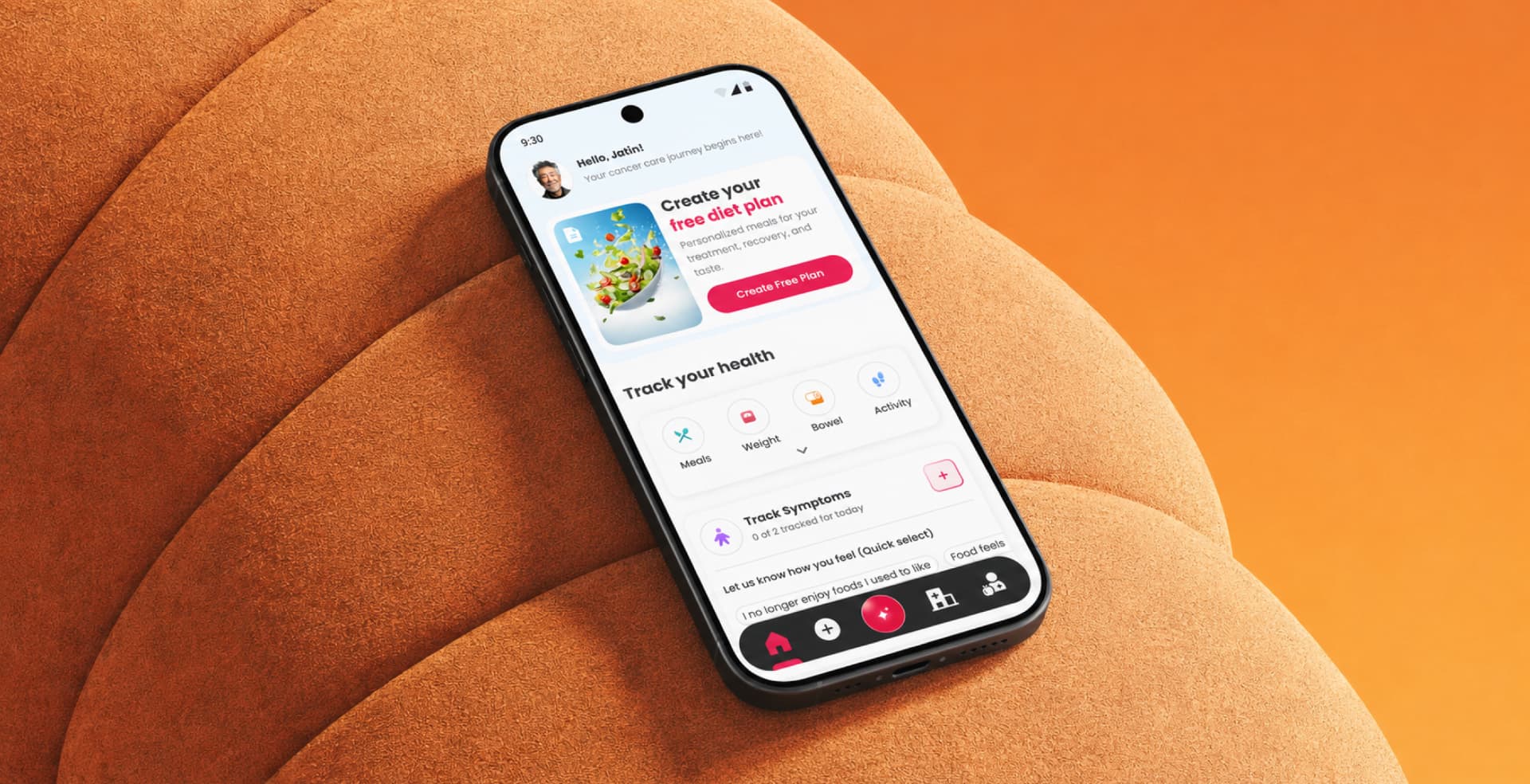
Cancer treatment doesn't end at chemotherapy. Patients spend months navigating nutrition, diagnostics, emotional support, medications, reports and endless questions - often across disconnected systems. At Everhope, we set out to build a digital ecosystem that supports patients throughout their treatment journey. Across nutrition programs, diagnostics, AI-assisted report analysis, e-commerce, WhatsApp care journeys and patient engagement, the challenge was never an isolated feature - it was creating a connected ecosystem where every interaction reduced uncertainty and improved access to care.
08
Connected products
06
Verticals designed
01
Single care ecosystem
Situation
Cancer isn't a single event. It's hundreds of small decisions every day.
Patients constantly struggle with the same questions: What should I eat? Which test should I book? Is this symptom normal? Which supplement is safe? How do I understand my reports? Who should I contact?
Unfortunately, these answers usually exist across multiple platforms, doctors, WhatsApp chats and PDFs. The experience was fragmented.
Patients needed one trusted place for everything.

Task
Designing beyond individual screens.
Unlike traditional healthcare apps, Everhope required designing an ecosystem where multiple products worked together seamlessly: oncology nutrition, diagnostics marketplace, AI report analysis, a supplement store, WhatsApp care, second opinion, patient dashboard and doctor consultation flows.
Before redesigning anything, we spoke with patients, caregivers and nutrition experts. Instead of focusing on hospital visits, we focused on life outside the hospital.
Research surfaced five recurring themes: trust is everything - patients rarely buy or book unless a trusted doctor recommends it; information overload creates anxiety; every patient is different, so generic plans rarely work; WhatsApp had already become healthcare; and above all, patients wanted reassurance - often not another consultation, just an answer to "is what I'm feeling normal?"
- Reduce anxiety - every interaction should leave patients more informed
- Build trust - medical credibility before marketing
- Personalize everything - no two cancer journeys are identical
- Remove friction - healthcare should require less effort, not more
Action
Six products, one connected system.
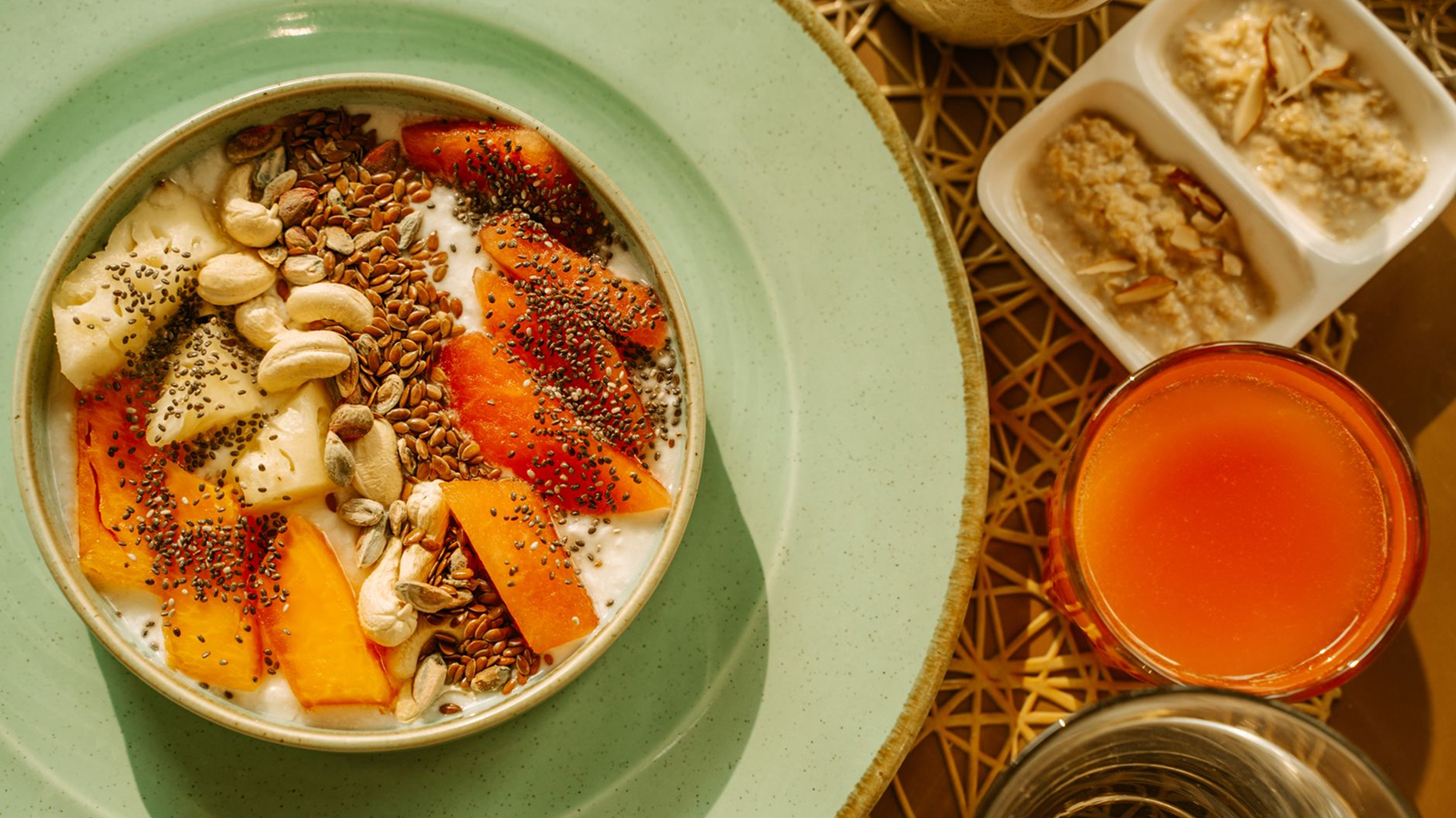
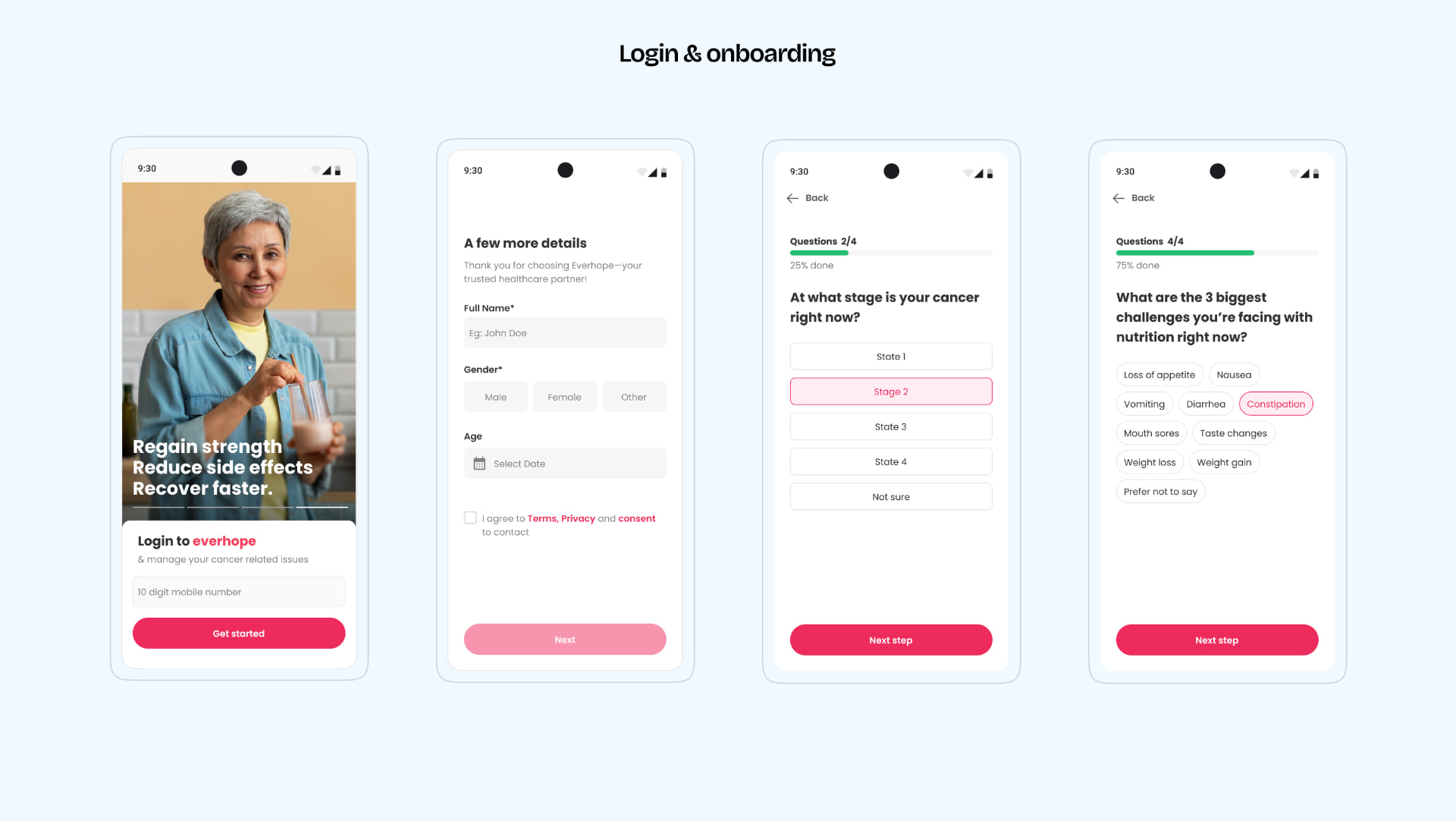
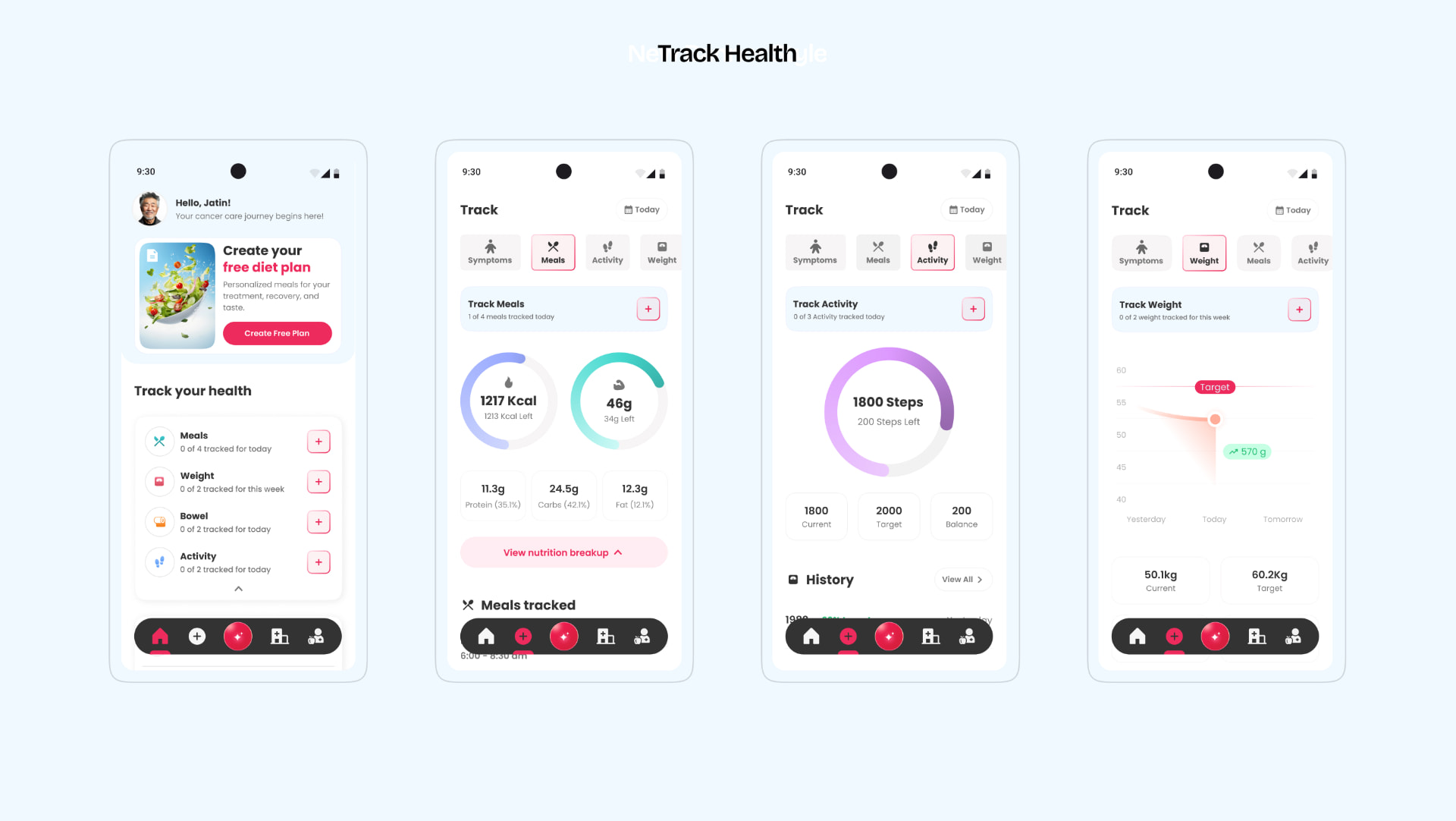
Personalized Oncology Nutrition - we redesigned the entire onboarding journey to capture cancer type, treatment stage, side effects, food preferences and medical history, so nutritionists could build personalized plans instead of generic recommendations.
Diagnostics Marketplace - packages were simplified, each test explained in terms of why it matters, discovery improved, and confidence built before booking.
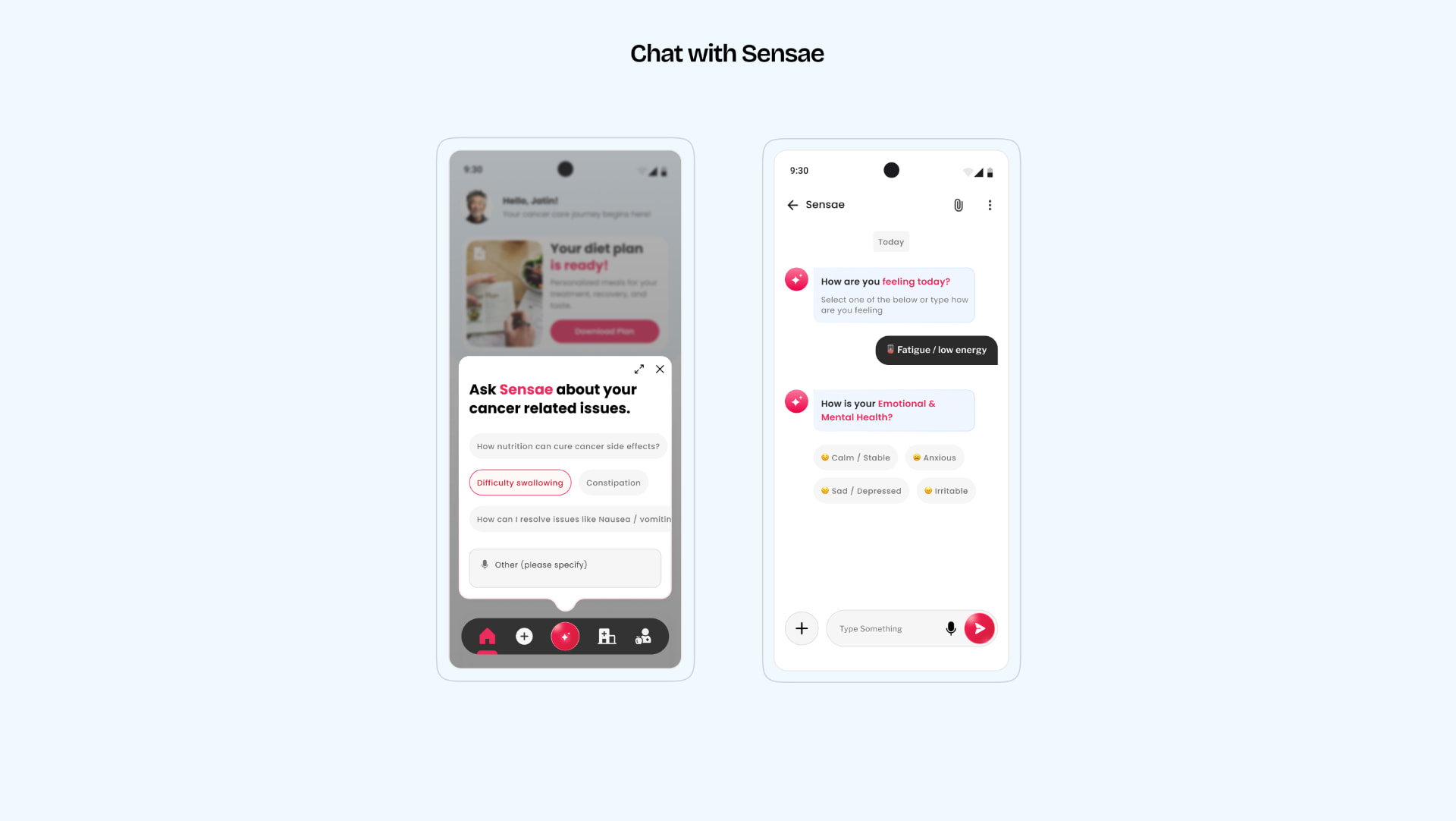
AI Report Analysis - we explored AI-assisted analysis that translated complex medical reports into patient-friendly explanations while encouraging specialist consultation. The objective wasn't replacing doctors; it was helping patients ask better questions.
Oncology Supplement Store - most stores focus on products, we focused on trust. Every product page led with doctor recommendations, treatment compatibility, ingredient transparency and education instead of promotional messaging.
WhatsApp Care Journey - research showed patients preferred WhatsApp, so we designed guided journeys for nutrition guidance, report sharing, doctor queries, onboarding and appointment support, meeting patients where they already were.
Conversion Rate Optimization - landing pages were rebuilt around trust, readability, pricing clarity, CTA hierarchy and doctor credibility, with every decision validated through experimentation.
Result
One ecosystem instead of isolated features.
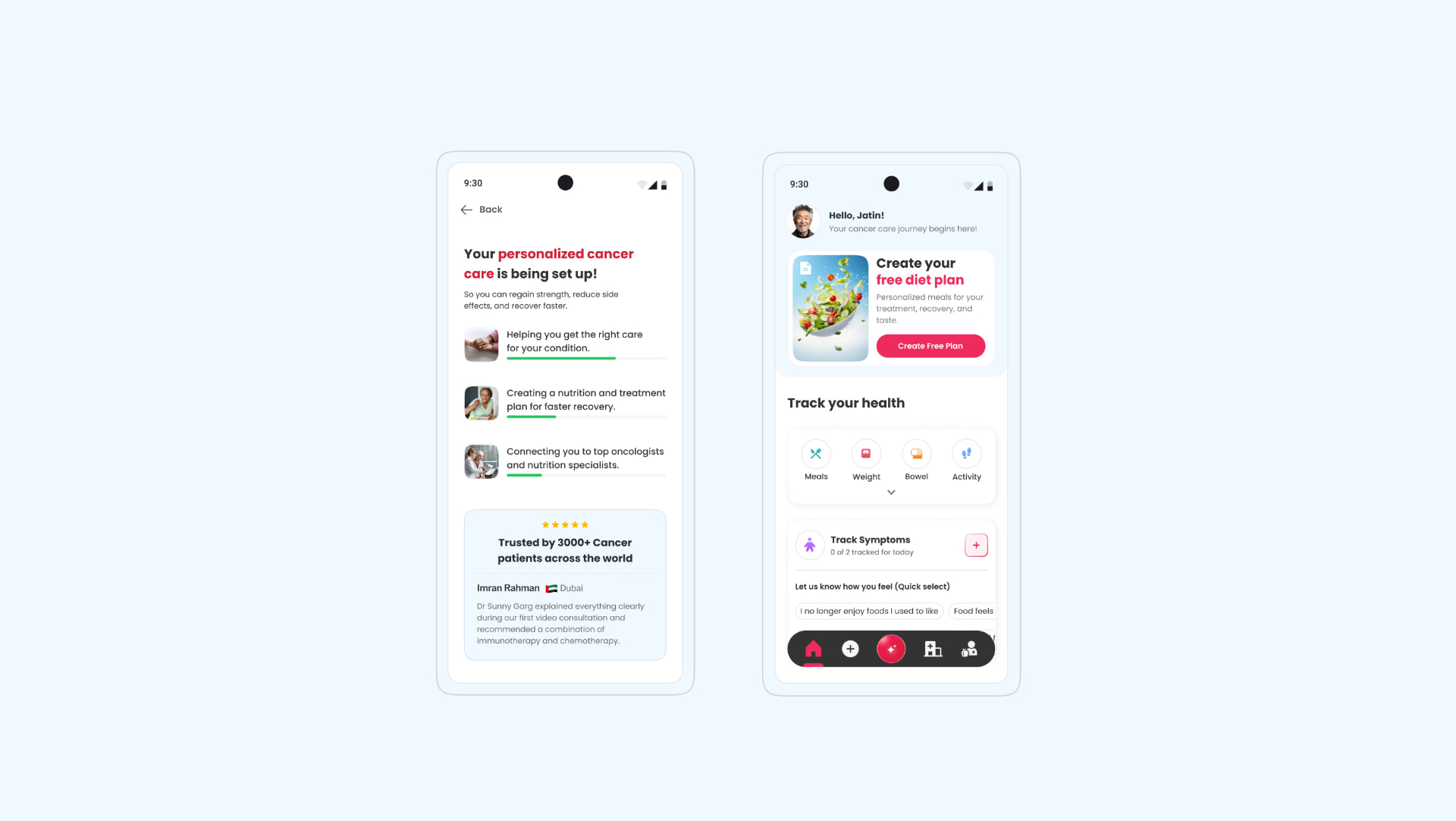
Patients could move naturally between diagnosis, nutrition, diagnostics, doctor support, supplements and recovery without feeling like they were switching products.
The biggest achievement wasn't shipping more screens. It was reducing uncertainty throughout the patient journey.
- Understand treatments better
- Access personalized care
- Discover trusted products
- Communicate more easily
- Make informed healthcare decisions
“Sometimes the most valuable interaction isn't a feature. It's reassurance.
What I learned
Designing for cancer care changed the way I think about UX.
Healthcare isn't about making interfaces simple. It's about making difficult moments feel manageable.